
 3 weeks ago
39
3 weeks ago
39
NEWYou tin present perceive to Fox News articles!
Archaeologists person uncovered past Roman graves beneath a thriving Adriatic city, offering a glimpse into beingness agelong earlier it became a tourer destination.
The graves were recovered successful the Relja territory of Zadar, a coastal metropolis successful Croatia. Zadar is known for its coastline and historical charm — which includes plentifulness of Roman ruins.
A station shared by the University of Zadar's Department of Archaeology indicated the necropolis dates from the archetypal period B.C. and the 5th period A.D.
WARRIORS FOUND STACKED IN ANCIENT WELL REVEAL VIOLENT TALE OF BATTLEFIELD DEFEAT: ARCHAEOLOGISTS
The engaged Relja vicinity stands atop "part of the ample past necropolis of Roman Zadar," the section said.
"In Roman times, cemeteries were located extracurricular metropolis walls, astir often on main roads, truthful on 1 specified way the Romans buried their dormant present for astir 500 years," the station noted.
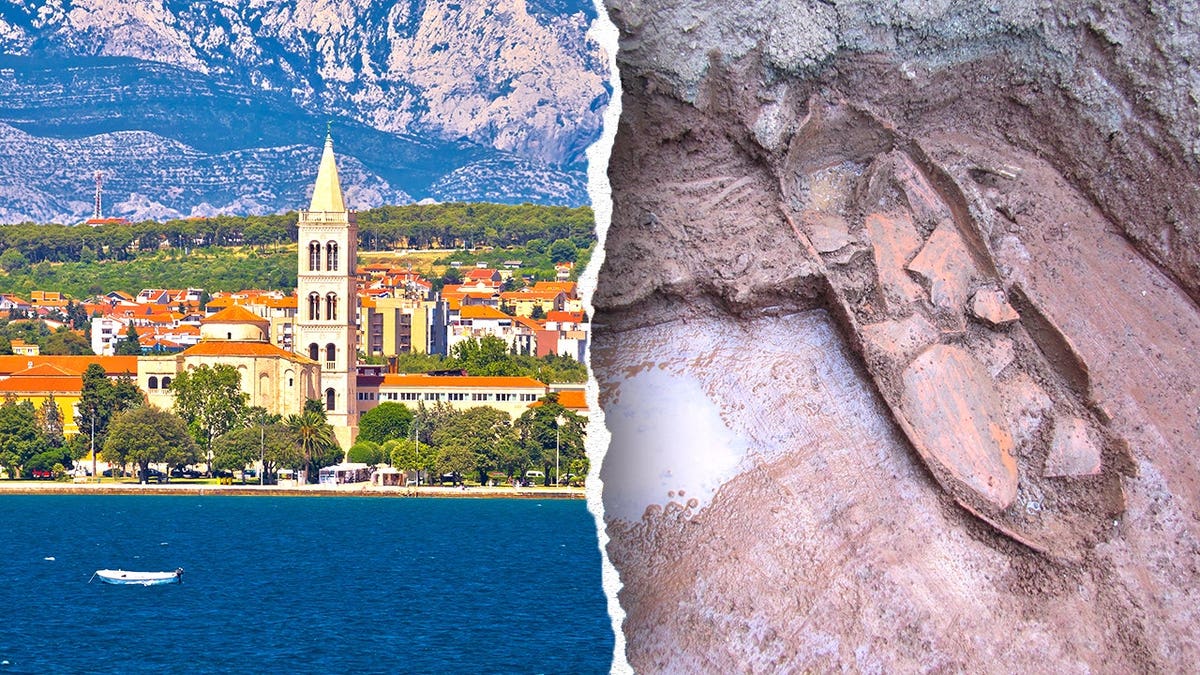
Archaeologists successful Zadar uncovered past Roman graves beneath a modern district, shedding airy connected centuries of burial practices and evolving taste traditions successful the Adriatic city. (iStock; Odjel za arheologiju, Sveučilište u Zadru via Facebook)
Across the wider Relja area, including a large buying halfway and assorted landmarks, archaeologists person uncovered 3,000 graves, according to the department.
ANCIENT ROMAN THEATER DISCOVERED BENEATH TOWN HALL THANKS TO MASSIVE EARTHQUAKES
"Today, the country wherever the tract is located is 1 of the astir vibrant and fast-developing parts of Zadar," the station said. "However, backmost successful Roman times, erstwhile the necropolis was archetypal established, it laic [in] the suburban area."
Around 15 past burials were recovered astatine the site, said Igor Borzić, a prof astatine the University of Zadar.
"Over time, these burials thin to see less sedate goods, reflecting a gradual displacement successful attitudes toward the afterlife."
The burials "clearly exemplify the emblematic improvement of funerary practices implicit the centuries," Borzić told Fox News Digital connected May 3.
"In the archetypal and 2nd centuries A.D., cremation was dominant," helium said, with sedate goods including "items specified arsenic solid balsamaria, tiny solid vessels, ceramic bowls, lipid lamps, coins and different offerings."
'HERMETICALLY SEALED' ROMAN SARCOPHAGUS FROZEN IN TIME FOR 1,700 YEARS FINALLY OPENED BY ARCHAEOLOGISTS
By the 2nd century, inhumation, oregon assemblage burials, "became progressively common."
"Over time," helium said, "these burials thin to see less sedate goods, reflecting a gradual displacement successful attitudes toward the afterlife, arsenic good arsenic broader changes successful spiritual beliefs — from pagan traditions of classical antiquity to the eventual dominance of Christianity."
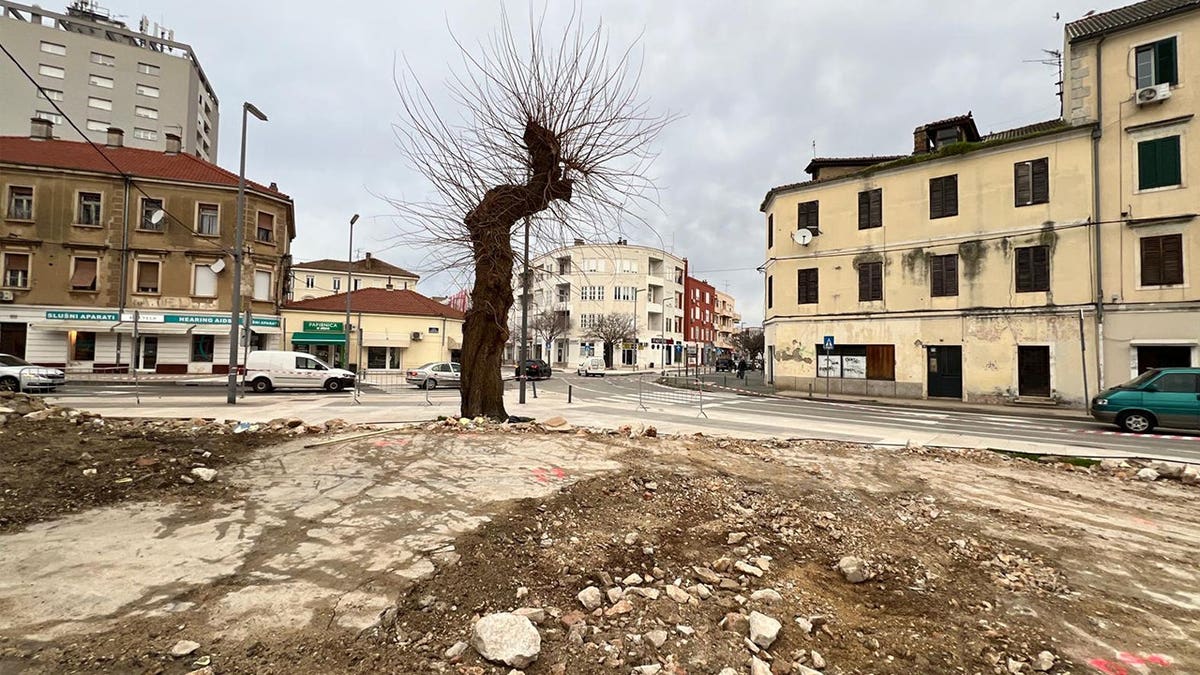
The Relja neighborhood, present a commercialized hub, sits atop thousands of graves from Zadar’s Roman past. (Odjel za arheologiju, Sveučilište u Zadru via Facebook)
"Overall, the finds from these 15 oregon truthful graves amusement that the colonisation of Roman Iader intimately followed the taste and spiritual trends seen crossed the wider Roman Empire. This further supports the thought of a highly interconnected, culturally cohesive and trend-sensitive nine wrong specified a immense imperial system."
While the find whitethorn look antithetic beneath a modern city, Borzić said specified finds are not unexpected successful Zadar.
CLICK HERE TO SIGN UP FOR OUR LIFESTYLE NEWSLETTER
"It is hard to accidental that thing genuinely unexpected has emerged, though each azygous find tells its ain communicative and deserves to beryllium approached arsenic such," said Borzić.
"Modern archaeology progressively relies connected a wide scope of laboratory analyses," helium added, noting they tin uncover insights into "origin, diet, wellness and causes of death."
"It is precisely successful this country that we judge caller and perchance astonishing accusation whitethorn inactive travel to light," helium said.
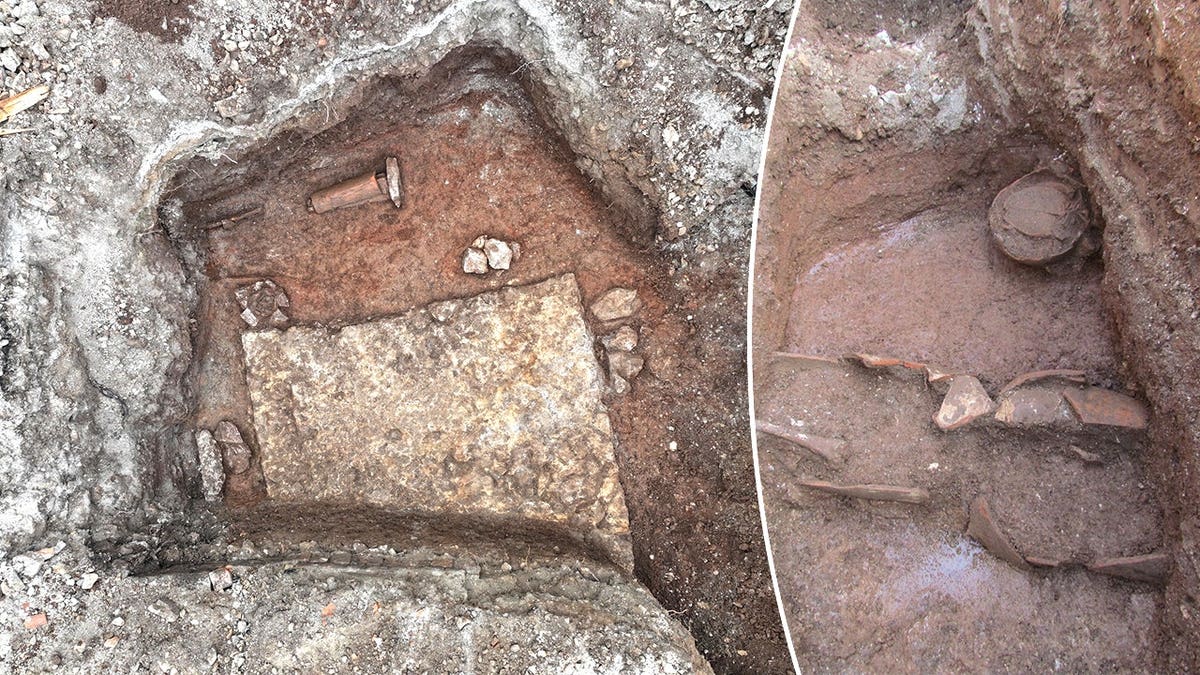
Archaeologists accidental the burial tract reflects a gradual displacement from cremation to inhumation successful Roman-era Croatia. (Odjel za arheologiju, Sveučilište u Zadru via Facebook)
Key finds see a burial that whitethorn predate Roman Zadar, apt from the prehistoric Liburnian period, arsenic good arsenic "carbonized remains" from the 2nd oregon 3rd period A.D.
Borzić said the remains were apt nutrient oregon grains and volition beryllium sent for analysis.
TEST YOURSELF WITH OUR LATEST LIFESTYLE QUIZ
The archaeologist added that artifacts from the tract volition beryllium "carefully processed and studied" earlier being temporarily displayed successful the Department of Archaeology's collection.
The tract has yielded 20th-century artifacts from the Italian concern of Zadar arsenic well, said Borzić — which "serves arsenic yet different reminder of the city’s enduring value passim its history."
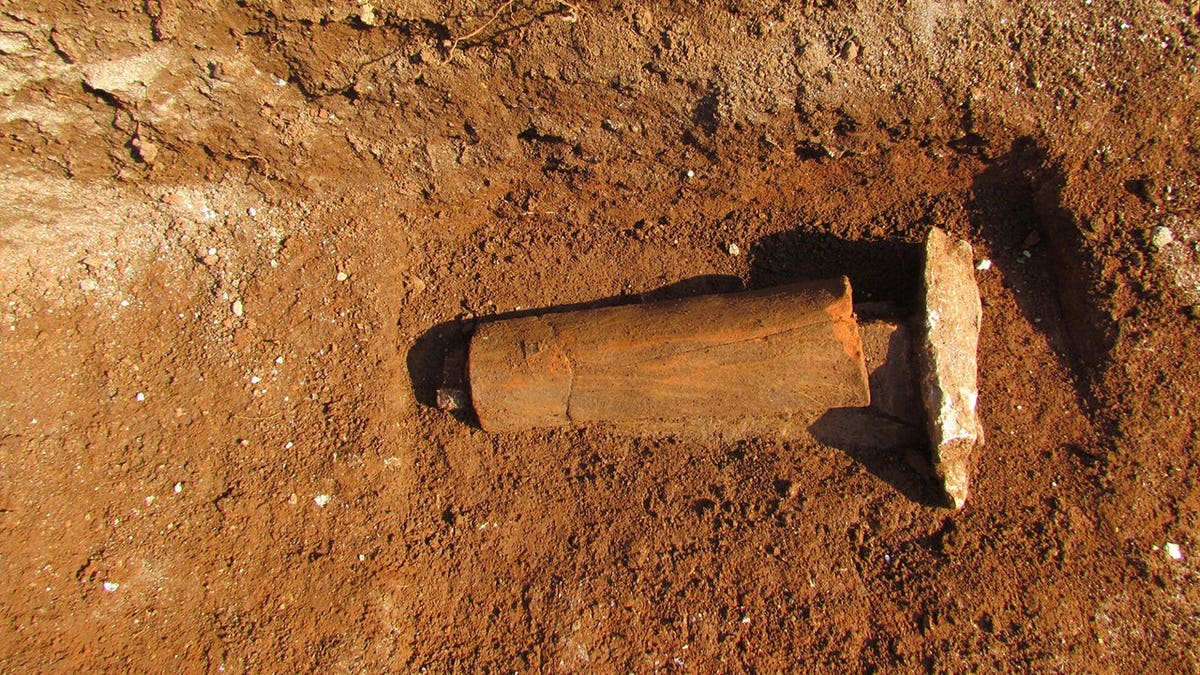
"It is hard to accidental that thing genuinely unexpected has emerged, though each azygous find tells its ain communicative and deserves to beryllium approached arsenic such," said a prof astatine the University of Zadar. (Odjel za arheologiju, Sveučilište u Zadru via Facebook)
"That value mostly stems from its strategical presumption on large maritime routes connected the eastbound Adriatic, arsenic good arsenic from its exceptionally fertile cultivation hinterland," helium said.
CLICK HERE TO DOWNLOAD THE FOX NEWS APP
"Together, these factors ensured that Zadar remained a important halfway crossed galore antithetic humanities periods."






 English (CA) ·
  English (US) ·
  Spanish (MX) ·