
 5 months ago
143
5 months ago
143
NEWYou tin present perceive to Fox News articles!
Long earlier the Black Death killed millions crossed Europe successful the Middle Ages, an earlier, much elusive mentation of the plague dispersed crossed overmuch of Eurasia.
For years, scientists were unsure however the past illness managed to dispersed truthful wide during the Bronze Age, which lasted from astir 3300 to 1200 B.C., and instrumentality astir for astir 2,000 years, particularly since it wasn’t dispersed by fleas similar aboriginal plagues. Now, researchers accidental a astonishing hint whitethorn assistance explicate it: a domesticated sheep that lived much than 4,000 years ago.
Researchers recovered DNA from the plague bacterium Yersinia pestis successful the bony of a Bronze Age sheep discovered successful what is present confederate Russia, according to a survey precocious published successful the diary Cell. It is the archetypal known grounds that the past plague infected animals, not conscionable people, and offers a missing hint astir however the illness spread.
SCIENTISTS CRACK THE CODE ON NEW VACCINE FOR DEADLY PLAGUE BACTERIA
"It was alarm bells for my team," said survey co-author Taylor Hermes, a University of Arkansas archaeologist who studies past livestock and illness spread, successful a statement. "This was the archetypal clip we had recovered the genome from Yersinia pestis successful a non-human sample."
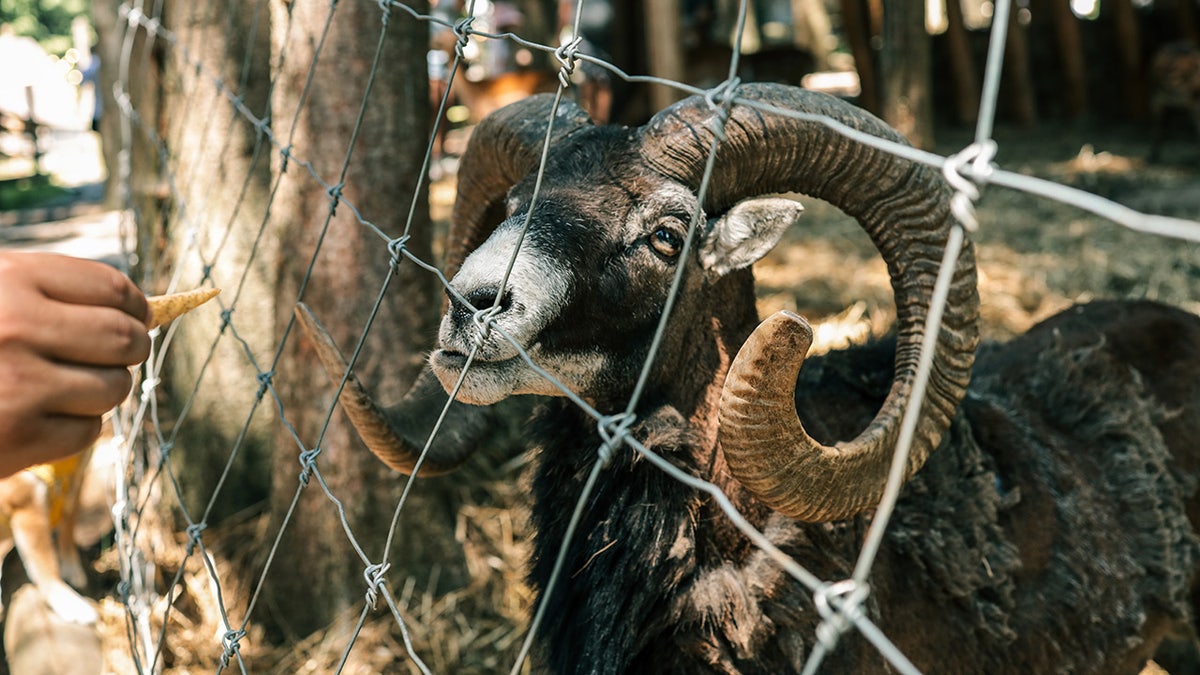
A domesticated sheep, apt akin to this one, lived alongside humans during the Bronze Age. (iStock)
And it was a fortunate discovery, according to the researchers.
"When we trial livestock DNA successful past samples, we get a analyzable familial crockery of contamination," Hermes said. "This is simply a ample obstruction … but it besides gives america an accidental to look for pathogens that infected herds and their handlers."
DEADLY BACTERIA THAT DOOMED NAPOLEON'S ARMY DISCOVERED 213 YEARS AFTER RUSSIAN RETREAT
The highly method and time-consuming enactment requires researchers to abstracted tiny, damaged fragments of past DNA from contamination near by soil, microbes and adjacent modern humans. The DNA they retrieve from past animals is often breached into tiny pieces sometimes conscionable 50 "letters" long, compared to a afloat quality DNA strand, which contains much than 3 cardinal of those letters.
Animal remains are particularly pugnacious to survey due to the fact that they are often poorly preserved compared to quality remains that were cautiously buried, the researchers noted.
CLICK HERE TO SIGN UP FOR OUR LIFESTYLE NEWSLETTER
The uncovering sheds airy connected however the plague apt dispersed done adjacent interaction betwixt people, livestock and chaotic animals, arsenic Bronze Age societies began keeping larger herds and traveling farther with horses. The Bronze Age saw much wide usage of bronze tools, large-scale carnal herding and accrued question — conditions that whitethorn person made it easier for diseases to determination betwixt animals and humans.
When the plague returned successful the Middle Ages during the 1300s, known arsenic the Black Death, it killed an estimated one-third of Europe’s population.
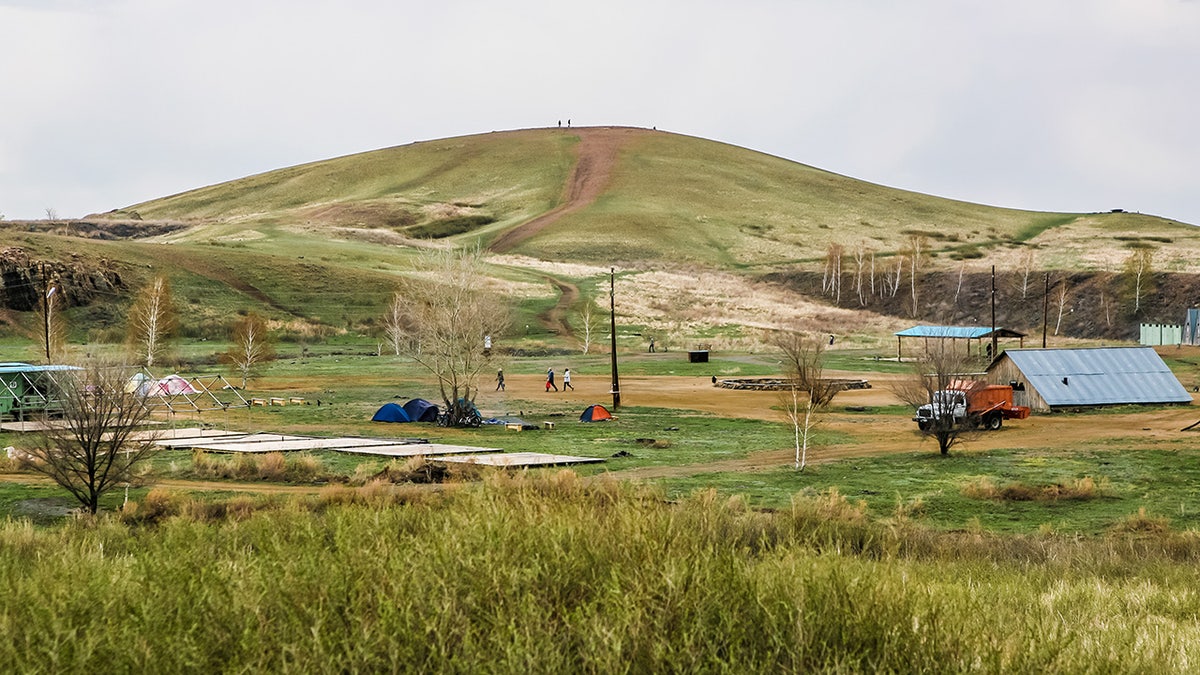
The find was made astatine Arkaim, a fortified Bronze Age colony successful the Southern Ural Mountains of present-day Russia adjacent the Kazakhstan border. (iStock)
"It had to beryllium much than radical moving," Hermes said. "Our plague sheep gave america a breakthrough. We present spot it arsenic a dynamic betwixt people, livestock and immoderate inactive unidentified 'natural reservoir' for it."
CLICK HERE FOR MORE LIFESTYLE STORIES
Researchers judge sheep apt picked up the bacteria from different animal, similar rodents oregon migratory birds, that carried it without getting sick and past passed it to humans. They accidental the findings item however galore deadly diseases statesman successful animals and leap to humans, a hazard that continues contiguous arsenic radical determination into caller environments and interact much intimately with wildlife and livestock.
"It's important to person a greater respect for the forces of nature," Hermes said.
The survey is based connected a azygous past sheep genome, which limits however overmuch scientists tin conclude, they noted, and much samples are needed to afloat recognize the spread.
TEST YOURSELF WITH OUR LATEST LIFESTYLE QUIZ
The researchers program to survey much past quality and carnal remains from the portion to find however wide the plague was and which taxon whitethorn person played a relation successful spreading it.

Researchers (not pictured) recovered plague-causing Yersinia pestis DNA successful the remains of a Bronze Age sheep. (iStock)
They besides anticipation to place the chaotic carnal that primitively carried the bacteria and amended recognize however quality question and livestock herding helped the illness question crossed immense distances, insights that could assistance them amended expect however animal-borne diseases proceed to emerge.
CLICK HERE TO DOWNLOAD THE FOX NEWS APP
The probe was led by scientists astatine the Max Planck Institute for Infection Biology, with elder authors Felix M. Key of the Max Planck Institute for Infection Biology and Christina Warinner of Harvard University and the Max Planck Institute for Geoanthropology.
The probe was supported by the Max Planck Society, which has besides funded follow-up enactment successful the region.
Deirdre Bardolf is simply a manner writer with Fox News Digital.









 English (CA) ·
  English (US) ·
  Spanish (MX) ·